Over 80 percent of South Koreans regard North Korea as a separate country, and more than 80 percent also believe its nuclear weapons pose a threat, a survey by a think tank showed Tuesday.
In a Gallup Korea survey of 1,200 adults conducted from July 1-26, 81.8 percent of respondents said the two Koreas are virtually separate countries, while 53.5 percent said they recognize the North as an actual state. The survey was commissioned by the Seoul National University's Institute for Peace.
While the two Koreas operate under separate governments, neither recognizes the other as a legitimate state. South Korea's Constitution states in Article 3 that the entire Korean Peninsula is the territory of the Republic of Korea (its official name). This is why the Ministry of Unification handles policies concerning cooperation and communications with North Korea, not the Ministry of Foreign Affairs.
Only 28.3 percent of respondents viewed the entire peninsula is South Korea's territory, and 60.8 percent said the country's territory is only the part south of the de facto inter-Korean border.
The results indicated that a majority of South Koreans lean toward peaceful co-existence with North Korea, rather than unification or reform of the North. When asked what the most important policy was concerning North Korea, 61.6 percent picked peaceful co-existence and the establishment of peace. Another 15.3 percent picked unification of Koreas.
Many feel threatened by the North
Despite many people considering North Korea an independent state, 83.6 percent said South Korea is the only legitimate country on the peninsula, the highest figure in the past 20 years.
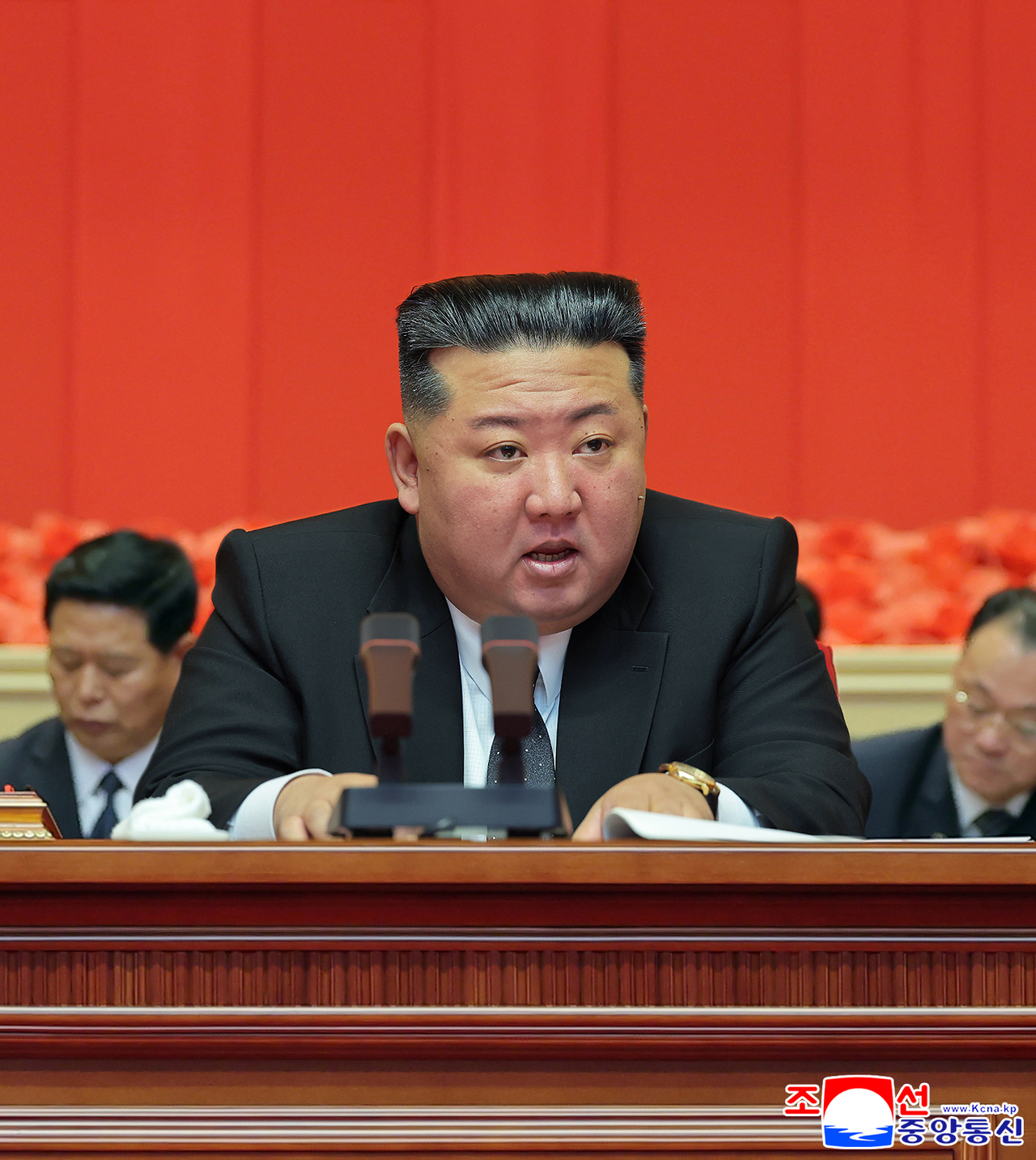
The survey also showed that 86.4 percent feel threatened by the North's nuclear weapons, while 78.3 percent believed that talks and negotiations with the Kim Jong-un regime are impossible, the latter being an all-time high figure.
About 83.3 percent said North Korea would not want unification, and 90.4 percent said it would not give up its nuclear program.
The survey also showed that those in their 20s and 30s were more hostile toward the North compared to respondents in their 40s, 50s, or 60s.
In terms of political orientation, 62.4 percent of liberals said military provocation by North Korea was likely, which was higher than 54.2 percent among conservatives. This is unusual, as liberals have traditionally leaned more toward cooperation than military confrontation when it comes to Pyongyang.
minsikyoon@heraldcorp.com